









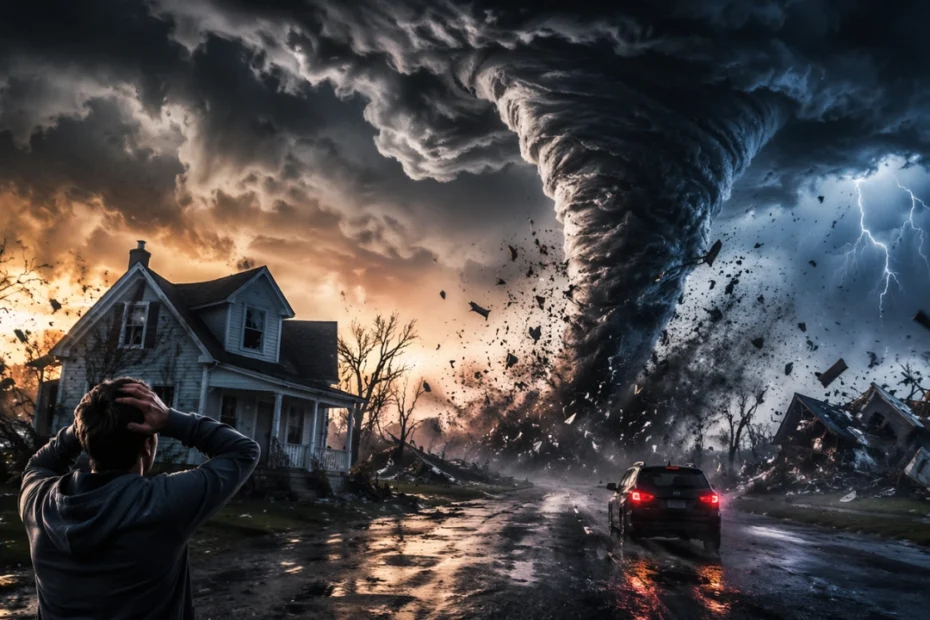
Michigan Tornado Warnings: Severe weather can be scary, especially when it includes tornado warnings and strong storms. On the night of April 14, 2026, and into the early morning of April 15, the state of Michigan faced dangerous thunderstorms, tornado watches, and warnings.
Many people reported seeing possible tornadoes, while officials worked overnight to track the situation and keep everyone safe.
In this article, we explain everything in simple language—what happened, what the warnings mean, and how you can stay safe during such events.
What Happened During the Michigan Storms?
Michigan Tornado Warnings: The National Weather Service (NWS) issued several tornado warnings and thunderstorm alerts across Michigan. These warnings lasted through the night but were lifted by around 1:30 a.m., with no new warnings issued after that.
Some residents reported seeing possible tornadoes near areas like Carson City and Allegan/Otsego. However, tornadoes are only officially confirmed after experts conduct surveys.
A tornado watch was also active across much of Michigan. It was expected to last until 4 a.m., although some counties were cleared earlier.
Tornado Watch vs Tornado Warning (Easy Explanation)
Michigan Tornado Warnings: Understanding the difference is very important for safety:
| Term | Meaning | What You Should Do |
|---|---|---|
| Tornado Watch | Tornadoes are possible | Stay alert and be ready to take shelter |
| Tornado Warning | Tornado spotted or detected by radar | Take shelter immediately |
Why Tornadoes Are So Dangerous
Michigan Tornado Warnings: Tornadoes can form quickly and become extremely powerful. On average, you may only get 10–15 minutes warning time before one hits. Wind speeds can go over 200 mph, which is strong enough to destroy buildings, flip cars, and throw debris.
Signs That a Tornado May Be Coming
Michigan Tornado Warnings: You should always watch for these warning signs:
- Dark or greenish sky
- Large hailstones
- A low, rotating cloud
- A loud sound like a train
If you notice any of these, take shelter immediately.
What To Do BEFORE a Tornado
Preparation is the key to safety. Here’s what you should do:
- Identify a safe place like a basement or strong building
- Create an emergency kit with water, food, flashlight, and first aid
- Make a family communication plan
- Stay updated using weather alerts
What To Do DURING a Tornado
If You Are Inside a Building
- Go to the lowest floor
- Stay in a small room without windows (like a bathroom or closet)
- Cover your head with your arms or use blankets
If You Are in a Mobile Home
Mobile homes are not safe during tornadoes. Move to a nearby strong building or underground shelter.
If No Shelter Is Available
Lie flat in a ditch or low area and protect your head with your hands.
What To Do AFTER a Tornado
After the storm passes, stay careful:
- Avoid broken buildings and fallen wires
- Use text messages instead of calls (networks may be busy)
- Wear protective clothing during clean-up
- Take photos of damage for insurance
- Use flashlights instead of candles to avoid fire
How to Receive Weather Alerts
You should always have multiple ways to stay informed:
| Alert Method | Description |
|---|---|
| NOAA Weather Radio | Instant alerts during emergencies |
| TV & Local News | Live storm updates |
| Smartphone Apps | Real-time notifications |
| Radio Stations | Emergency broadcasts |
| Nixle Alerts | Free alerts via text/email |
| Outdoor Sirens | Warning for people outdoors |
Understanding Tornado Strength (EF Scale)
After a tornado, experts rate it using the Enhanced Fujita (EF) Scale:
| EF Level | Wind Speed | Damage Level |
|---|---|---|
| EF0 | 65–85 mph | Light damage |
| EF1 | 86–110 mph | Moderate damage |
| EF2 | 111–135 mph | Significant damage |
| EF3 | 136–165 mph | Severe damage |
| EF4 | 166–200 mph | Devastating damage |
| EF5 | 200+ mph | Extreme destruction |
Conclusion
Severe weather like the Michigan tornado storms in April 2026 shows how quickly conditions can turn dangerous. Even though the warnings ended without confirmed tornado damage, the situation reminds us to always stay prepared. Knowing the difference between a watch and a warning, recognizing danger signs, and having a safety plan can save lives. Always stay alert, trust official updates, and act quickly when needed. Your safety and your family’s safety should always come first.