









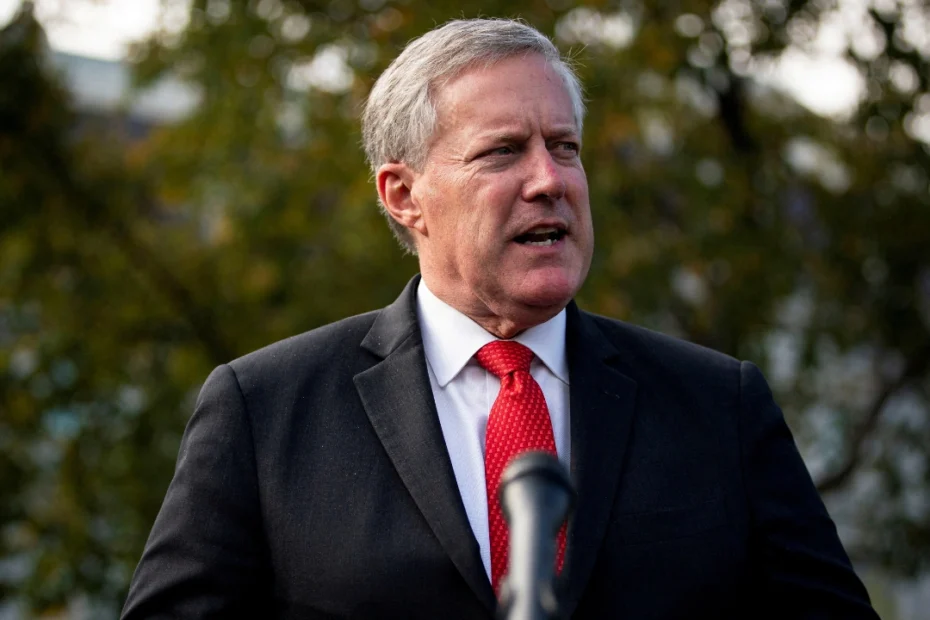
Former White House chief of staff Mark Meadows is now at the center of a major financial and legal issue. After facing multiple investigations linked to Donald Trump, Meadows is asking the U.S. Department of Justice (DOJ) to pay back his legal expenses.
These costs have reached very high amounts due to ongoing federal and state cases. The situation has raised important questions about whether government officials should be reimbursed for legal fees tied to their official duties.
Why Mark Meadows Wants Reimbursement
Legal Costs From Trump-Related Investigations
Mark Meadows has requested that the DOJ repay him for legal expenses he faced during several investigations related to Donald Trump. These investigations include:
- Federal probes into election interference
- State-level cases in Georgia and Arizona
- Congressional investigations related to the January 6 Capitol attack
Meadows claims he acted in his official role and therefore deserves reimbursement under government rules.
What the DOJ Rules Say About Reimbursement
How the System Works
The U.S. Department of Justice has the authority to:
- Provide legal support to current or former officials
- Reimburse legal fees if actions were part of official duties
- Review each case individually
However, approval is not guaranteed. The DOJ considers:
| Factor | Explanation |
|---|---|
| Official Duty | Was the person acting as part of their job? |
| Public Interest | Does reimbursement benefit the country? |
| Timing | Was the request made early in the process? |
| Legal Status | Was the person a witness or accused? |
In many cases, reimbursement is denied if the request is made late or if actions are controversial.
Meadows’ Role in the 2020 Election Controversy
What Investigations Found
Reports from the House and Senate committees showed that Meadows:
- Communicated with DOJ officials about election fraud claims
- Participated in discussions about overturning election results
- Was present during a call where Trump asked Brad Raffensperger to find votes
Despite these findings, Meadows has denied wrongdoing and says he followed his official responsibilities.
Legal Cases and Current Status
Where Things Stand Now
- Meadows was not charged in federal cases led by Jack Smith
- He faced state charges in Georgia and Arizona
- He was later pardoned by Trump in November
- Georgia dropped charges, but Arizona case is still ongoing
This mixed legal outcome makes the reimbursement decision more complicated.
How Much Money Is Involved
Breakdown of Legal Fees
Meadows has already spent a large amount on legal defense:
| Legal Service | Amount |
|---|---|
| Griffin Durham law firm | $569,000+ |
| Additional unpaid fees | $19,000+ |
| McGuireWoods law firm | $1.3 million (about $650,000 paid) |
| Monthly legal fees (2024–2025) | $12,000–$20,000 |
| Payment to Paul Clement | $200,000 |
Some reports suggest that part of these costs may have been covered by a nonprofit linked to his employer.
Other Related Claims and Requests
Meadows is not alone. The DOJ is also dealing with:
- Financial claims from Trump and his family
- Requests from pardoned January 6 rioters
- A lawsuit by Trump seeking $10 billion over tax leaks
These multiple claims are putting additional pressure on the DOJ.
Will Meadows Get Paid Back?
Uncertainty Around the Decision
It is still unclear whether the DOJ will approve Meadows’ request. Important points include:
- DOJ decisions are usually private
- Payments come from taxpayer money
- Each case depends on legal interpretation
The DOJ may wait for final outcomes in state cases before making a decision.
Conclusion
The case of Mark Meadows highlights a complex issue where law, politics, and public money all come together. While government rules allow reimbursement for legal costs, the final decision depends on whether his actions are seen as part of official duties. With millions of dollars involved and multiple legal cases still active, the outcome remains uncertain.
This situation also raises a bigger question about how far taxpayer funds should go in covering legal expenses for former officials. As the DOJ reviews the request, the decision could set an important example for future cases involving government leaders.