
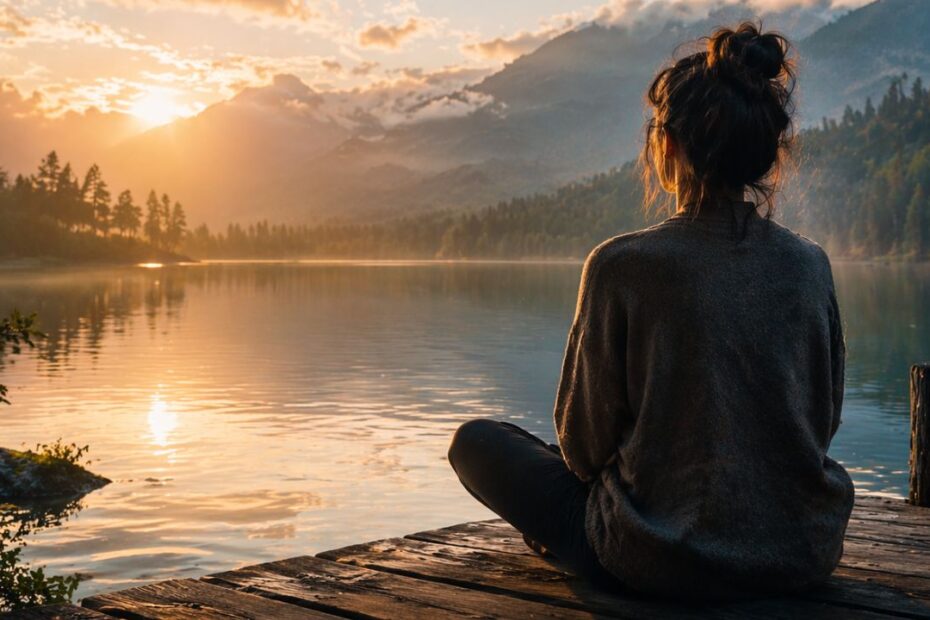
In today’s fast-moving world, many people are starting to enjoy being alone more than ever before. This is not about loneliness—it is about peaceful solitude. Psychology explains that when a person is alone, they are free from social pressure, judgment, and constant interaction. This creates a unique mental state where the mind feels calm, clear, and truly free
What Is Solitude in Psychology?
Solitude means spending time alone by choice while feeling comfortable and relaxed. It is different from loneliness, which feels unwanted and painful.
Modern psychological understanding shows that intentional solitude can improve mental health and overall well-being.
Key Facts About Solitude
- More than 50% of people say they actively enjoy spending time alone.
- Short periods of solitude can lower stress levels in the body.
- The brain becomes more active in areas linked to self-thinking and reflection.
Why People Feel Peace When Alone
1. Freedom from Self-Editing
When we are around others, we often control what we say, how we act, and how we appear. This is called self-editing. When alone, this pressure disappears, allowing a person to be fully natural and relaxed.
2. Emotional Reset
Solitude gives the brain time to process thoughts and feelings. This helps reduce anxiety, improves mood, and brings emotional balance.
3. Better Self-Awareness
Being alone allows people to think deeply about their life, goals, and identity. This increases self-understanding and confidence.
4. Mental Recharge
The brain needs quiet time to rest. Solitude helps improve focus, memory, and creativity, making people more productive later.
Benefits of Solitude (Quick Overview)
| Aspect | Effect | Outcome |
|---|---|---|
| Stress | Reduced pressure | Calm mind |
| Thinking | Deep reflection | Clear decisions |
| Emotions | Better control | Less anxiety |
| Focus | Fewer distractions | Higher productivity |
| Creativity | More mental space | New ideas |
Solitude vs Loneliness
It is important to understand the difference. Loneliness feels negative and forced, while solitude is positive and chosen. Healthy solitude supports mental health, but too much isolation can have the opposite effect.
Feeling peaceful when alone is completely natural. In fact, it shows emotional strength and self-awareness. Solitude allows people to stop performing for others and start connecting with their true self.
It helps reduce stress, improve focus, and build inner clarity. In a world full of noise and distractions, spending time alone is one of the most powerful ways to achieve inner freedom and mental balance. The key is to maintain a healthy balance between social life and personal space.
FAQs
Is enjoying solitude a good sign?
Yes, it shows strong emotional independence and healthy self-awareness.
How much alone time should a person have?
Around 20–30 minutes daily of quiet time can be very beneficial.
Can solitude improve mental health?
Yes, regular solitude can reduce stress, improve focus, and support emotional well-being.