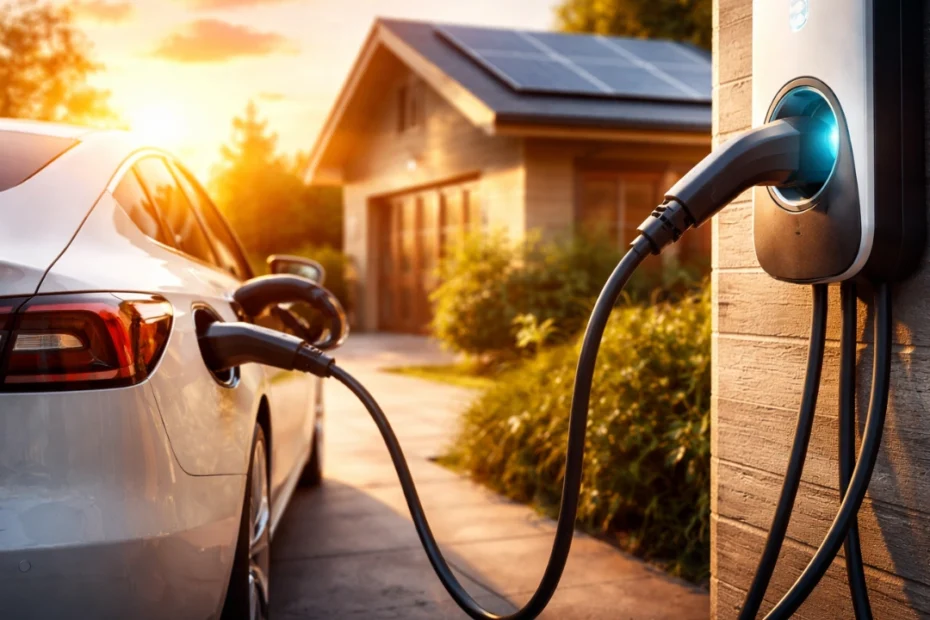
Electric Car: If you’re thinking about buying a second-hand electric car like a Renault Zoe, Peugeot e-208, or an electric Mini, one big question comes to mind: Is charging at home really worth it?
The simple answer is yes — and it can save you a lot of money every month. But to truly understand the benefits, you need to know charging cost, time, installation price, and ways to reduce expenses.
Let’s break everything down in simple terms so you can decide if a home charger is the right choice for you.
Why Charging at Home is a Smart Choice

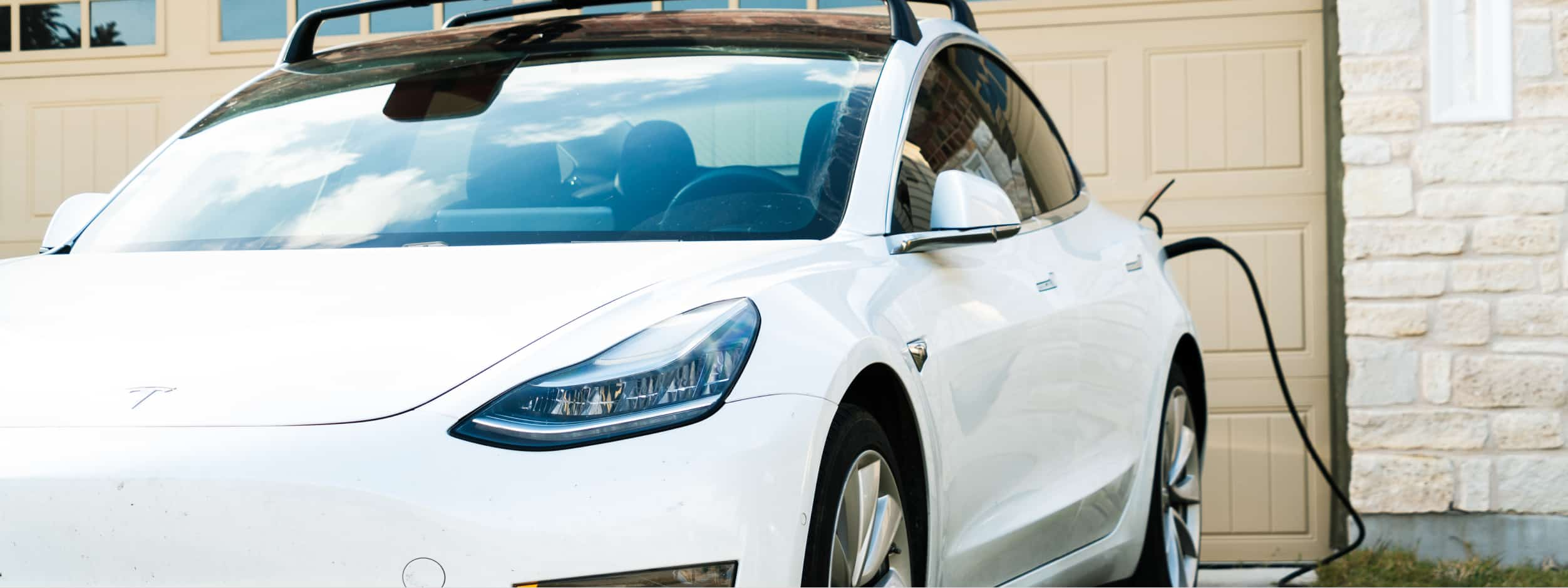
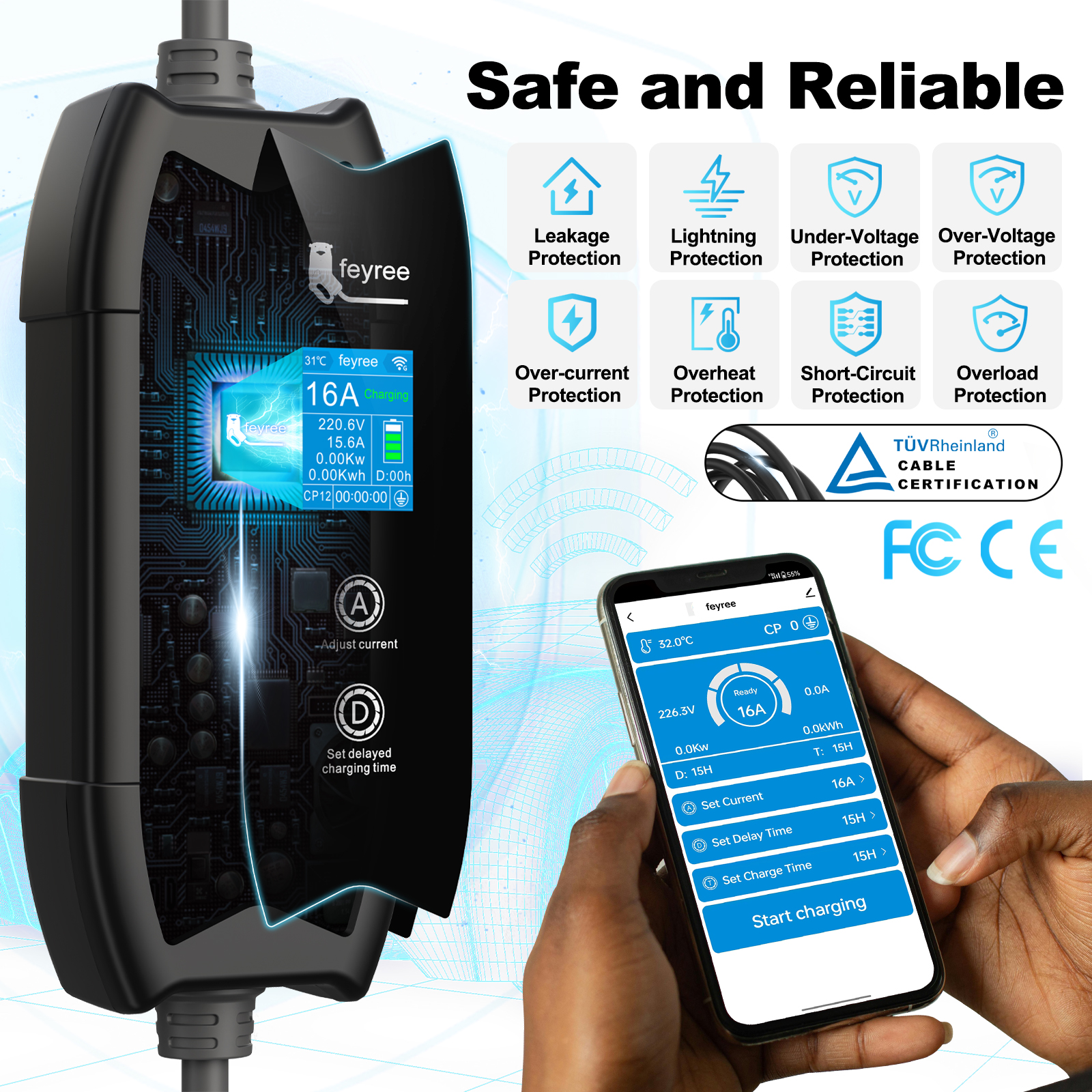
More than 90% of electric vehicle (EV) owners charge their cars at home. This is because it is:
- Cheaper than public charging
- More convenient (just plug in at night)
- Better for long-term savings
In fact, charging at home can reduce your running costs by up to 80–85% compared to petrol or diesel cars.
How Much Does a Home EV Charger Cost?
Electric Car: A home charger (also called a wallbox charger) is a one-time investment.
Typical Costs
| Charger Type | Price (Approx.) | Features |
|---|---|---|
| Untethered Charger | £949 | No attached cable |
| Tethered Charger | £1049 | Cable included for easy use |
| Installation | Included | Usually part of package |
| Government Grant | Up to £500 | For eligible users |
Good news: In many cases, installation is included, and you may get a government subsidy, which reduces the total cost.
How to Make EV Charging Cheaper
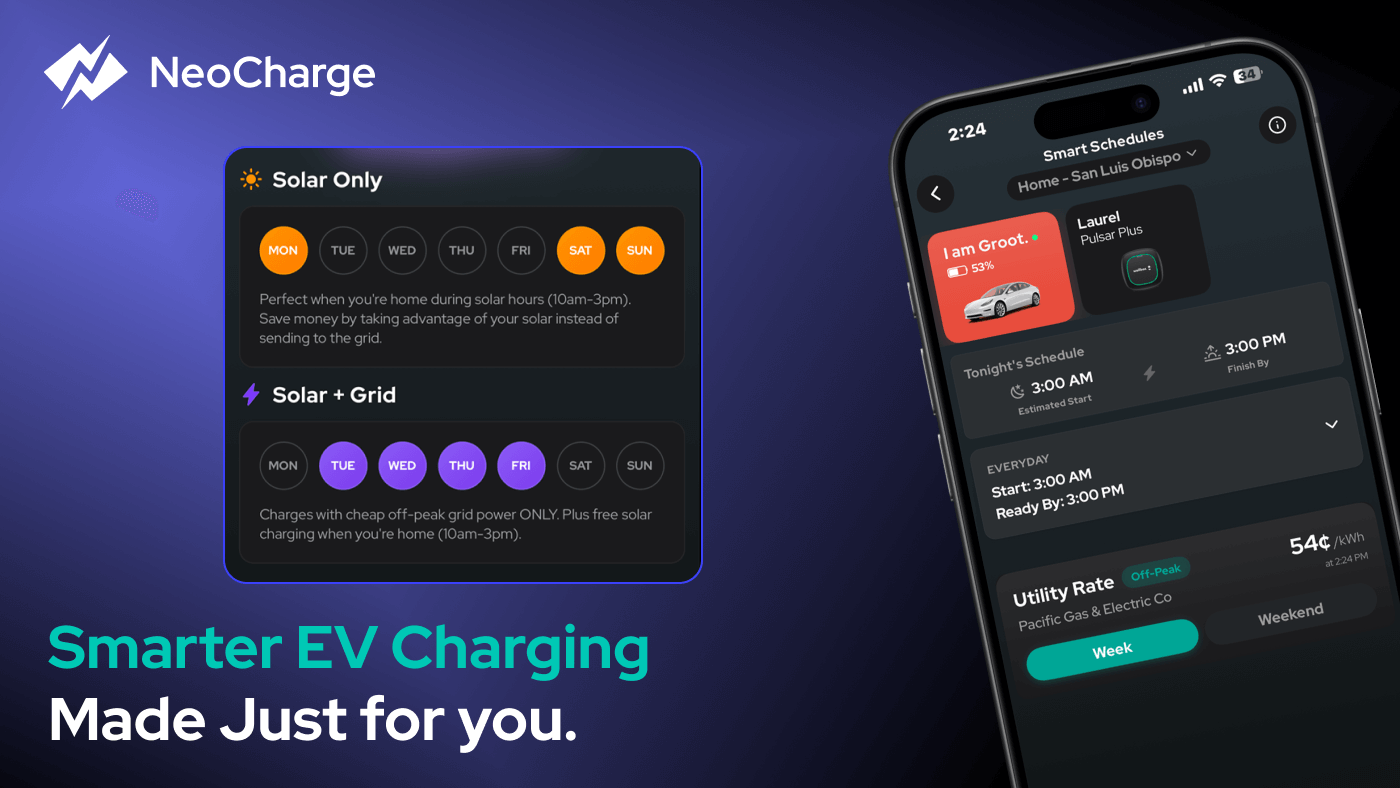
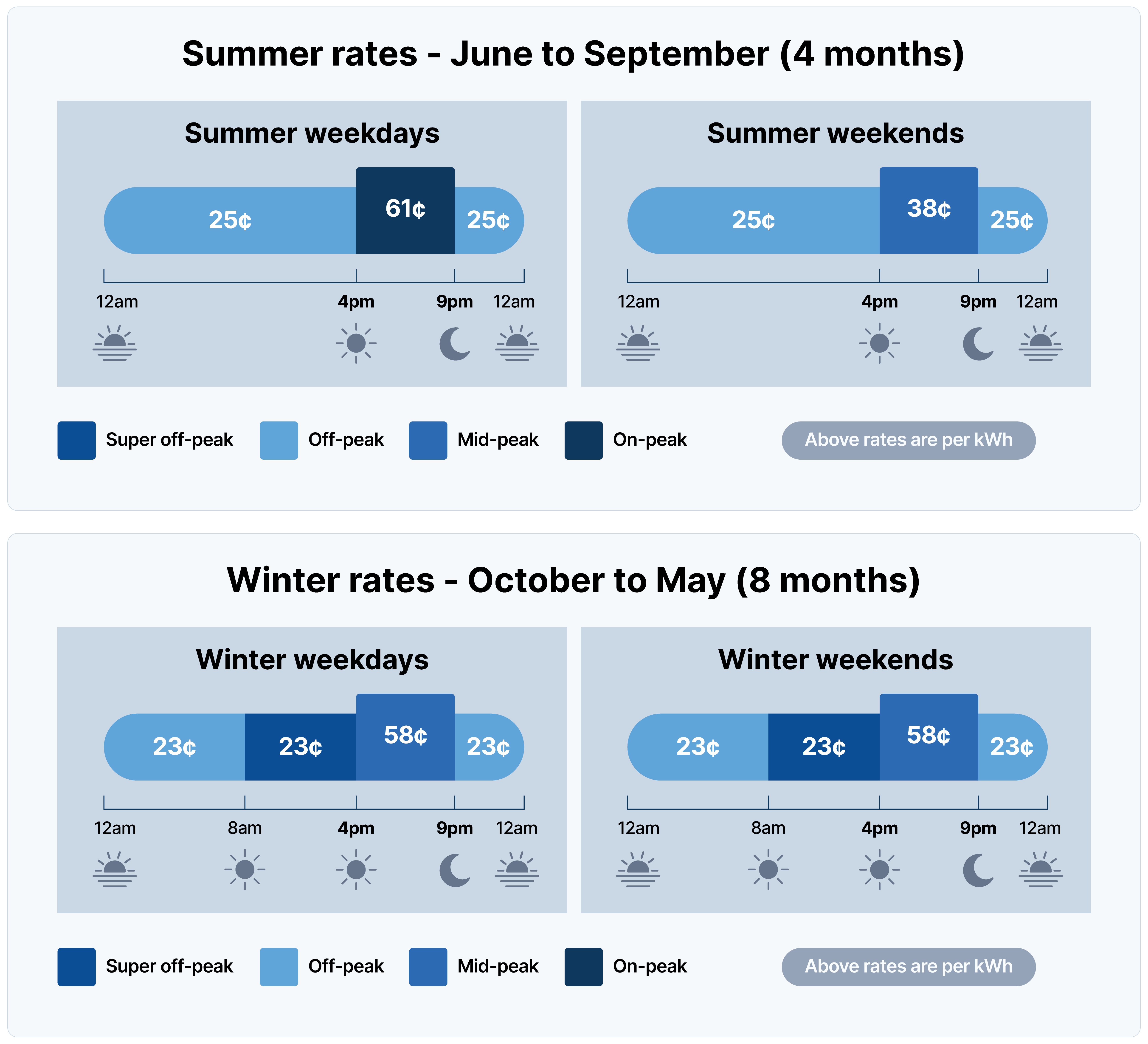

Electric Car: The biggest savings come from using smart charging + special electricity tariffs.
Example:
- Normal electricity price: 27.69p per kWh
- Smart tariff price: 8p per kWh
That’s 67% cheaper
Ways to Reduce Costs:
- Charge your car overnight (off-peak hours)
- Use a smart charger that schedules charging automatically
- Install solar panels and use free energy
- Choose a special EV tariff plan
How Long Does It Take to Charge?
Electric Car: Charging time depends on the car’s battery size.
Example: Renault Zoe


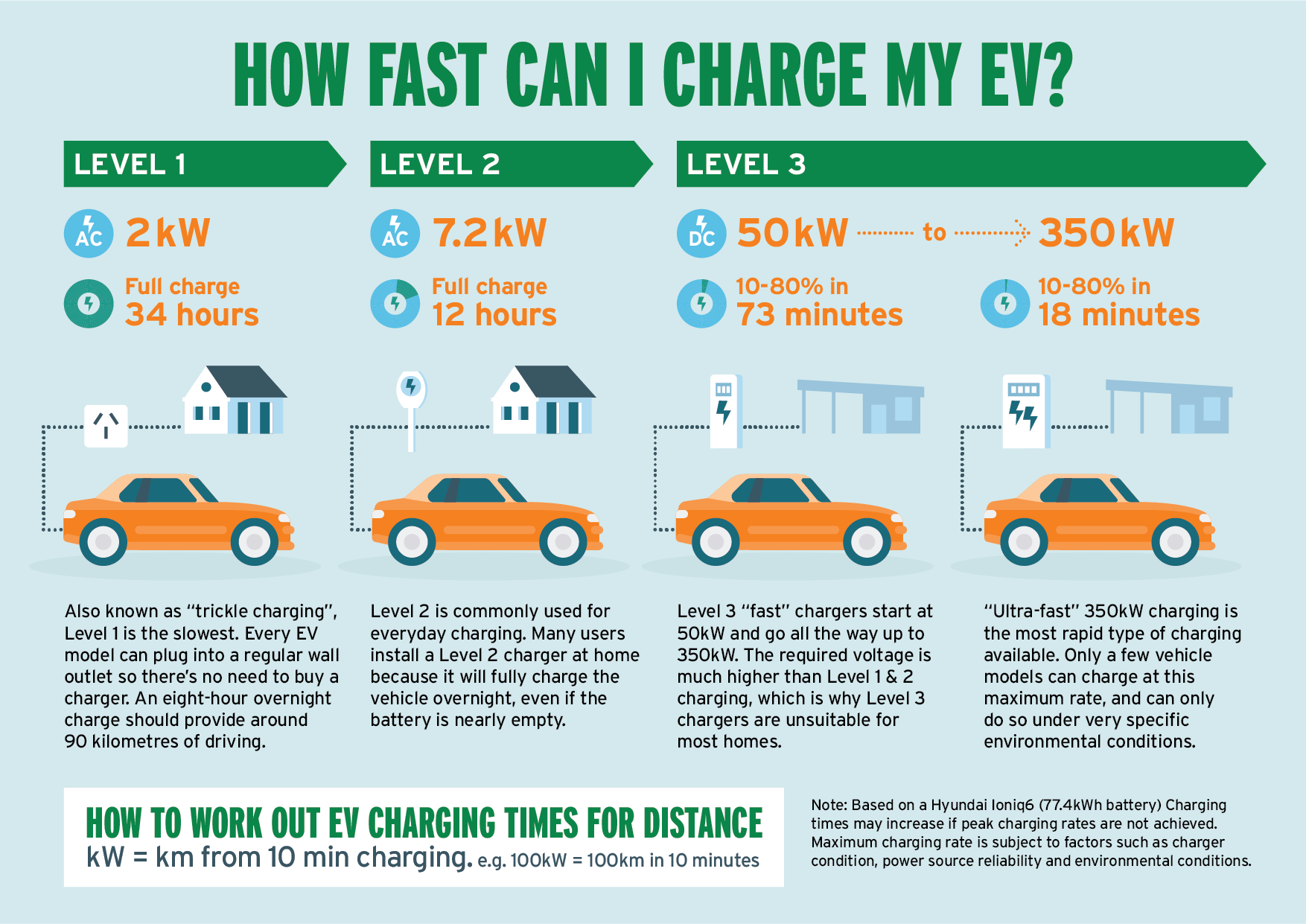
- Battery: 52 kWh
- Range: 245 miles
- Charging speed: 7.4 kW home charger
Charging Time:
- Full charge (0–100%): ~10 hours
- Recommended charge (20–80%): ~8 hours
Small cars charge faster because they have smaller batteries.
How Much Does It Cost to Charge?
You can calculate charging cost using a simple formula:
Charging Cost = Electricity Price × Battery Size
Example Calculation:
| Detail | Value |
|---|---|
| Battery Size | 52 kWh |
| Cost per kWh | £0.08 |
| Full Charge Cost | £4.16 |
| Cost per Mile | 1.7p |
| Monthly Driving (700 miles) | £11.90 |
Driving 700 miles can cost under £12 with smart charging.
Extra Benefits of Smart Charging
Electric Car: Modern EV chargers come with smart features:
- Control charging from your phone
- Track energy usage
- Schedule cheaper charging times
- Use solar energy for free charging
- Access public charging discounts
These features make EV ownership easy, smart, and future-ready.
Is a Home Charger Worth It?
If you drive regularly and can install a charger, then the answer is yes.
Why It’s Worth It:
- Huge savings on fuel costs
- Easy overnight charging
- Lower environmental impact
- Better control over energy usage
Conclusion
Buying a second-hand electric car is already a smart financial and eco-friendly decision, but adding a home charger takes things to the next level. With the ability to charge overnight at cheaper rates, you can dramatically reduce your monthly driving costs — sometimes to as little as £10–£15 for hundreds of miles.
While the upfront cost of a charger may seem high, government grants and long-term savings quickly make up for it.
On top of that, smart charging technology gives you full control over your energy usage, allowing you to schedule charging during low-cost hours and even use solar power if available.
When you combine convenience, cost savings, and environmental benefits, it becomes clear that installing a home EV charger is not just a luxury — it’s a practical and future-ready investment.
If you are planning to switch to an electric car, setting up a home charging system is one of the best decisions you can make.
FAQs
Is home charging cheaper than public charging?
Yes, home charging is much cheaper, especially if you use off-peak electricity rates.
Can I charge my EV without a home charger?
Yes, but it will be slower and less convenient using a regular plug or public chargers.
How often should I charge my EV?
It is best to keep your battery between 20% and 80% for long battery life.